Professor Chris Martine Says Peak Foliage May Become More Extended, Less Predictable.
LEWISBURG, Pa. — If it seems that fall foliage is becoming less of a spectacular weekend event and more of a drawn-out display of changing colors, climate change may be playing a role, according to Bucknell University Professor Chris Martine, biology. The David Burpee Professor in Plant Genetics & Research and president of the Botanical Society of America is a botanist whose expertise includes tree identification, forest ecology and how plants respond to changing environmental conditions.
He says warmer fall temperatures are changing not only when leaves change color, but also how different tree species respond, potentially replacing the traditional peak foliage weekend with a more extended, less predictable season.
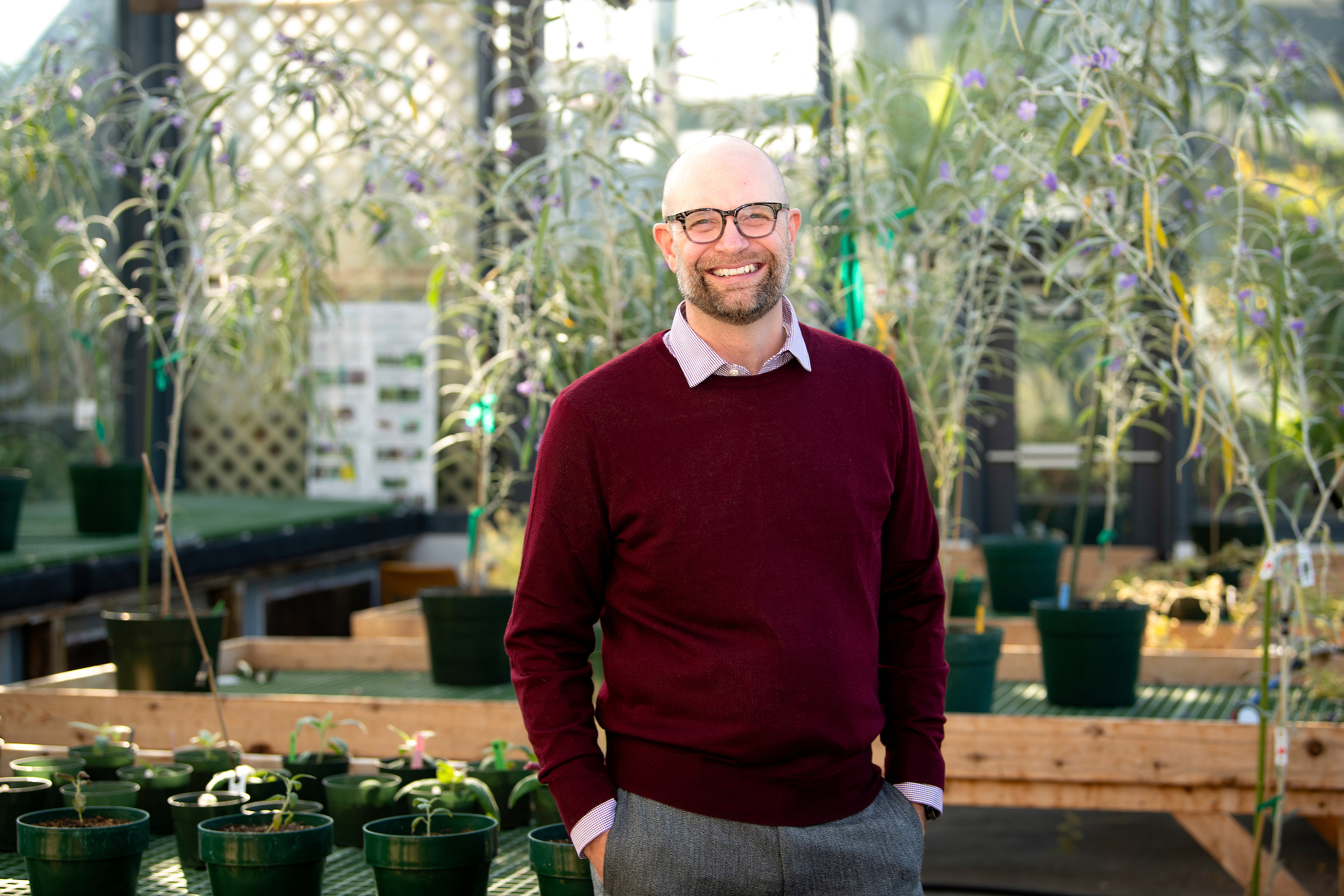
While warmer temperatures typically shorten the peak foliage season, some research suggests climate change could extend the overall season by causing different tree species to change color at different times.
“We still have the early changers, but some of the other ones are a bit delayed,” Martine says. “Instead of having lots of different species all flipping the switch around the same time, we’re going to have this extended period.”
Martine calls it a “staggered” effect, replacing the traditional mosaic of brilliant fall colors with a more prolonged, less synchronized display.
“What would have been a mosaic of lots of different colors, within the same period, might now be this extended thing where we see a few species change here and there, and then maybe a couple weeks later, another set of species,” he says.
That shift could also affect fall tourism, as destinations accustomed to concentrated peak-color weekends face a less predictable season. Martine also cautions that prematurely changing leaves may actually reflect drought-related leaf stress rather than early fall color.
Fall foliage is not the only change that keen observers might notice this season, according to Martine.
“It’s been a really weird year for fruiting, as well,” he says. “In some local spots the shrubs and trees have barely produced anything. The big old black walnut in my neighbor’s yard is typically dropping thousands of nuts right now, but it is completely bare.”
###
CONTACTS: Martine 570-939-0704, chris.martine@bucknell.edu; Mike Ferlazzo, 570-577-3212, 570-238-6266 (c), mike.ferlazzo@bucknell.edu